Can you drink tap water in Japan?
Yes, you can drink tap water in Japan. National standards cover 51 items, and every utility must keep chlorine in the water and check it daily at the tap. The one time to ask first: in older buildings where water sits in a rooftop or basement tank.
At a glance
- Yes: tap water in Japan is safe to drink, nationwide.
- Why: national standards cover 51 items, and chlorine is checked every day at taps.
- One caveat: in older buildings, water may sit in a tank first. If it tastes or looks off, ask.
- Restaurants: most give you water free. Just ask.
- Summer: carry water. The humidity dehydrates you faster than you expect.
Is tap water in Japan safe to drink?
Yes. Tap water from public water supplies in Japan meets national drinking water standards, and you can drink it straight from the tap.
The standards come from the Waterworks Act and cover 51 items. Water utilities must test tap water regularly. Tokyo’s Bureau of Waterworks says it plainly: “Japan is one of the few countries where tap water is drinkable.” So: fill your glass from the tap.
How is Japanese tap water checked?
Every utility tests it on a set plan. Chlorine is checked every day at taps at the far end of the network.
Japan’s Ministry of Health says tap water must contain more than 0.1 mg/L of residual chlorine. That’s why you may notice a faint chlorine taste. In Tokyo, all the water taken from the Tone River system goes through advanced treatment. The city also monitors quality at 131 taps around Tokyo. So: the taste of chlorine is a sign the system is working.
When should you ask before drinking?
In older buildings where water is stored in a tank first. The building’s manager, not the city, keeps that tank clean.
A public health center in Tokyo’s Setagaya ward compares stored water to “the water you keep in a kettle at home.” If a tank isn’t cleaned, dirt can use up the chlorine. Most hotels and newer buildings are fine. If the water looks cloudy or smells odd, use bottled water and tell the front desk. So: trust the tap, but trust your senses too.
Do restaurants give you free water?
Yes, in most places. JNTO says tap water is usually free in restaurants. Just ask the staff.
Many restaurants bring a glass of water or tea as soon as you sit down. At self-service places, look for a water jug or a dispenser near the counter. To ask, say “o-mizu kudasai.” It means “water, please.” So: you don’t need to order bottled water with a meal.
Should you buy bottled water in Japan?
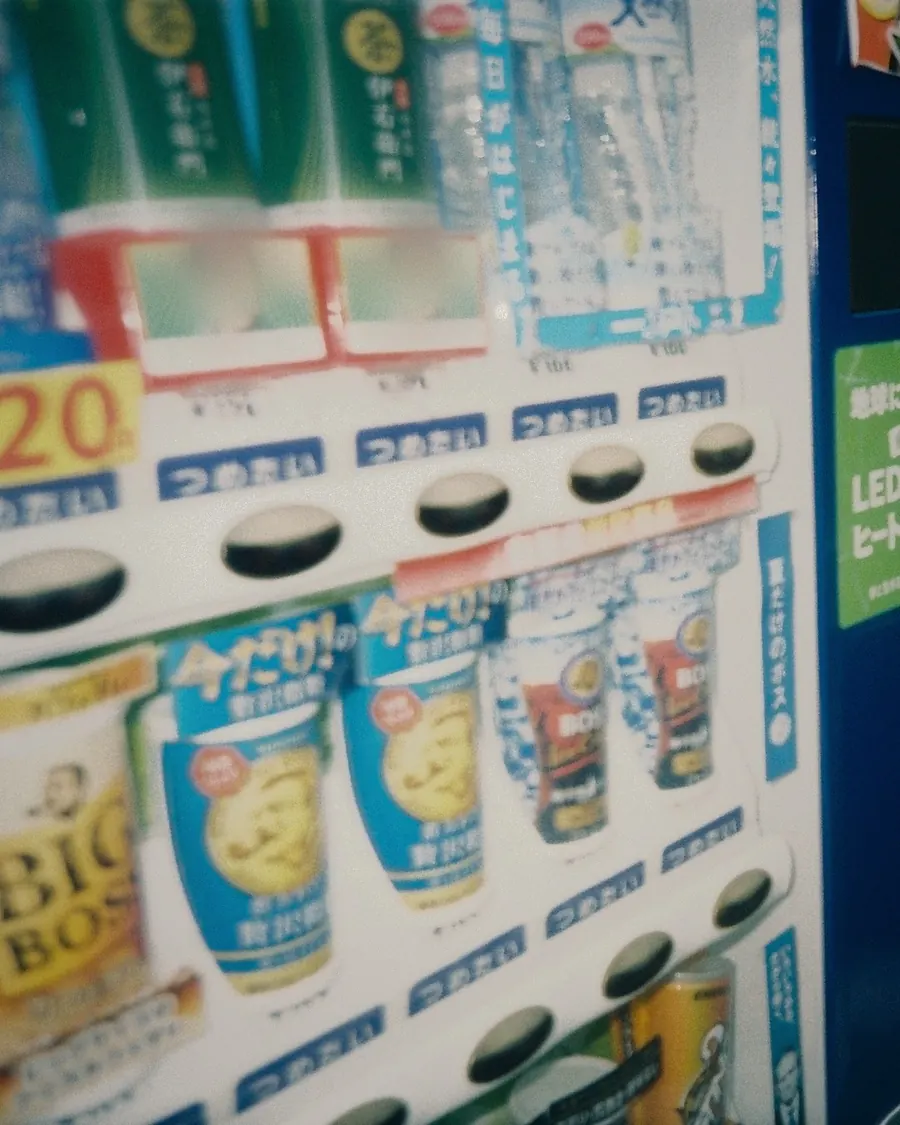
You don’t need to for safety. It’s handy on the go: every convenience store and countless vending machines sell it.
JNTO stresses carrying water, especially in summer, when the humidity can dehydrate even people used to the heat. Sports drinks help, but drink plenty of plain water too. Our Japan in August guide covers the heat. So: carry a refillable bottle and top it up at your hotel.
Which taps are not for drinking?
Any tap with a “not for drinking” sign. Look for 飲用不可 or 飲めません.
You may see these signs at some park taps and by hot-spring water. Hot-spring water is for bathing, not drinking, unless it’s clearly marked. Our Japanese signs guide covers the common ones. So: no sign at a sink in a hotel or restaurant means normal tap water.
What else do people ask about water in Japan?
Short answers to the questions first-time visitors ask most.
Is tap water safe in Kyoto, Osaka and the rest of Japan?
Yes. The national drinking water standards apply to every public water supply in Japan, not just Tokyo’s.
Do restaurants in Japan charge for water?
Usually not. JNTO says most places offer tap water at no extra charge. Many bring it as soon as you sit down; otherwise, ask.
Why does the water taste of chlorine?
Japanese tap water must keep a small amount of chlorine, more than 0.1 mg per liter at the tap, so it stays safe on its way to you.
Can I refill a water bottle in Japan?
Yes, from any tap marked for drinking. Convenience stores and vending machines also sell water everywhere.
Is mountain spring water safe to drink?
Only where it’s marked as drinking water. A sign saying 飲用不可 or 飲めません means “not for drinking.”
Sources
4 links · tap to open
Official pages, each checked on Nov 17–18, 2026. Prices, hours and rules change; confirm on the official page before you go.
- Ministry of Health, Labour and Welfare: Water quality (drinking water standards) (checked Nov 17–18, 2026)
- Bureau of Waterworks, Tokyo: Water Supply in Tokyo, Business Outline 2024 (PDF) (checked Nov 17–18, 2026)
- Setagaya Public Health Center: Hygiene Management for Small-Scale Water Supply Systems (PDF) (checked Nov 17–18, 2026)
- JNTO: Drinking water (checked Nov 17–18, 2026)