Is Japan safe for tourists?
Yes, Japan is safe for tourists: the US government gives it Level 1, “Exercise normal precautions.” The risks that do exist are specific. Watch for bar scams and drink spiking in a few nightlife districts, pickpockets and groping on crowded trains, strict drug laws, and earthquakes.
At a glance
- Yes: the US government rates Japan Level 1, “Exercise normal precautions,” its lowest level.
- Main crime risk: drink spiking and bar-bill scams in a few nightlife districts.
- On trains: pickpockets in crowds, and groping on packed trains.
- Laws: strict on drugs, including some prescription medicines.
- Nature: earthquakes, typhoons and summer heat. Install an alert app.
Is Japan safe for tourists?
Yes. The US State Department rates Japan Level 1, “Exercise normal precautions,” the lowest of its four levels.
That advisory was issued on May 15, 2025. The UK government gives no overall rating, but says to take the same care you would at home. Both list a handful of specific risks, covered below. So: relax, and know the few places and situations to watch.
Where should you be careful in Japan?
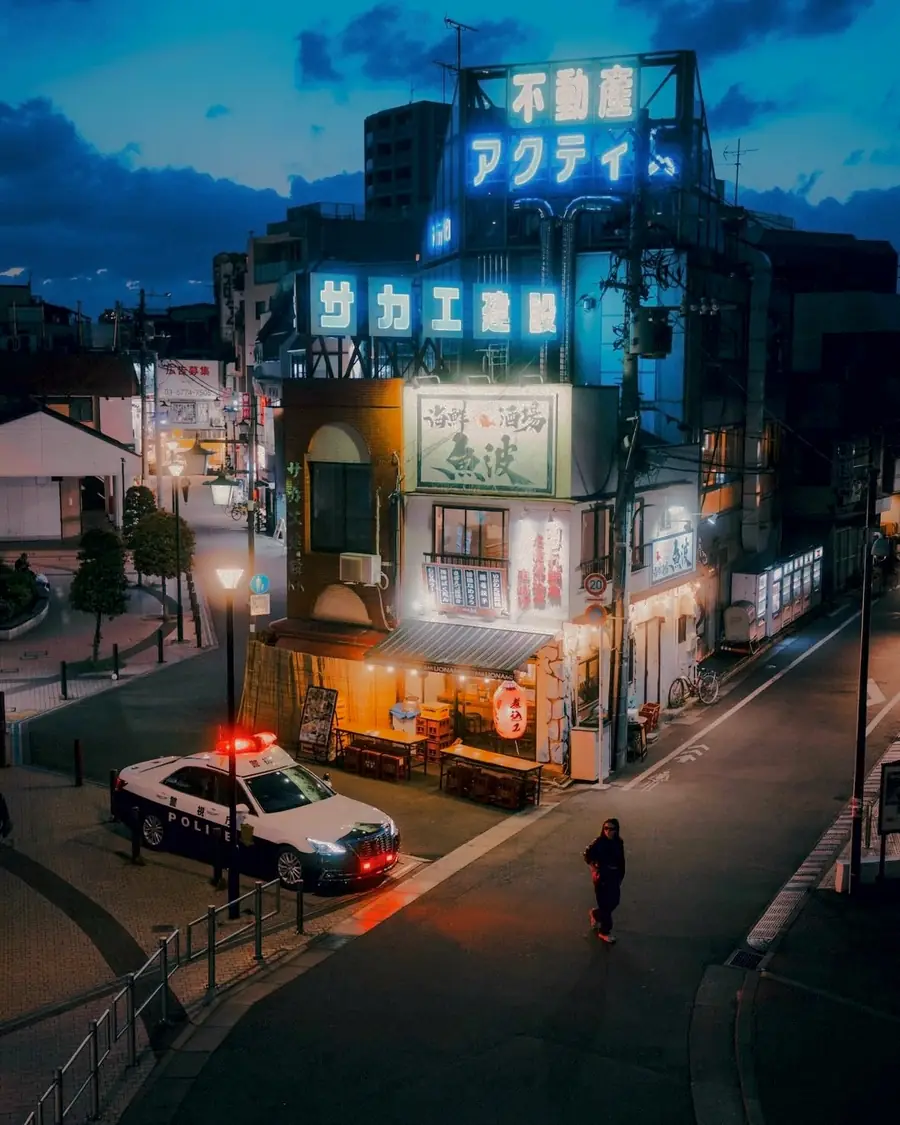
In a few nightlife districts. The US and UK both name Roppongi, Kabukicho, Shibuya and Ikebukuro in Tokyo.
The reported problems are drink spiking, theft, assault and huge bar bills charged to a card. The UK says most British victims were targeted in Kabukicho. Its advice: see a menu with prices before you go into a bar, and don’t follow street touts inside. So: choose your own bar, check the prices at the door, and watch your drink.
Are there pickpockets in Japan?
Some. The US State Department mentions pickpocketing in crowded areas, on trains and at airports.
Crowded trains and festivals are where it happens. If you lose something, our lost and found guide explains how to get it back. So: zip your bag on crowded trains and at festivals.
Is it safe on trains in Japan?
Yes, but groping happens on packed trains. Police advice, quoted by the UK government: shout at the person, and ask another passenger to alert staff.
Some lines run women-only cars in the morning rush. Tokyo Metro’s run from the first train until about 9:30, and children and passengers with disabilities can ride too. So: on a crowded train, stand near the door or in a women-only car if you can.
Which laws catch visitors out?
Drug laws, mostly. Some common medicines are illegal in Japan, even with a prescription from home.
- Drugs: zero tolerance. The US names marijuana and Adderall. The UK warns a positive test alone can lead to charges.
- Medicine: check yours before you pack. Our guide to bringing medicine into Japan lists the rules.
- Knives: the US says certain pocketknives are illegal to carry.
- Passport: the UK says to carry it at all times.
- Driving: the alcohol limit is very low, 0.03% blood alcohol per the US. See our driving guide.
So: leave the pocketknife at home and check every pill bottle.
What about earthquakes and typhoons?
They’re the bigger risk for most visitors. Install an alert app and know where to find help in English.
The free Safety tips app sends earthquake early warnings, tsunami, weather, heat-illness and volcanic alerts. Typhoon season runs from June to December, according to the UK, and peaks from July to September. The US also mentions bears on hiking trails and extreme heat in Okinawa. Our earthquakes and typhoons guide covers what to do. So: install the app before you land.
Who do you call for help in Japan?
110 for the police, 119 for fire or an ambulance. The Japan Visitor Hotline helps in English, Chinese and Korean, 24 hours a day.
The hotline number is 050-3816-2787, or +81-50-3816-2787 from a foreign phone. Our emergency numbers guide has more. Hospitals may ask you to pay up front, the US warns, and US insurance often doesn’t apply. Read our travel insurance guide before you go. So: save the hotline in your phone today.
What else do people ask about safety in Japan?
Short answers to the questions first-time visitors ask most.
Is Japan safe for solo female travelers?
Generally yes, with the same care you’d take at home. The UK mentions groping on crowded trains; some lines have women-only cars in the morning rush.
Is Tokyo safe at night?
Most of it, yes. The US and UK both warn about drink spiking and bar-bill scams in four nightlife districts: Roppongi, Kabukicho, Shibuya and Ikebukuro.
Do I need to carry my passport in Japan?
Yes. The UK government advises visitors to carry their passport at all times.
Are my prescription drugs legal in Japan?
Not always. Some common medicines, including Adderall, are illegal in Japan even with a prescription. Check before you pack.
What number do I call in an emergency?
110 for police, 119 for fire or an ambulance. The Japan Visitor Hotline, 050-3816-2787, helps in English 24 hours a day.
Sources
5 links · tap to open
Official pages, each checked on Nov 17–18, 2026. Prices, hours and rules change; confirm on the official page before you go.
- U.S. Department of State: Japan travel advisory (Level 1, issued May 15, 2025) (checked Nov 17–18, 2026)
- GOV.UK: Japan travel advice, safety and security (checked Nov 17–18, 2026)
- Tokyo Metro: Things to Consider When Riding the Subway (women-only cars) (checked Nov 17–18, 2026)
- JNTO: Japan Visitor Hotline (number, hours, languages) (checked Nov 17–18, 2026)
- App Store: Safety tips (disaster and emergency alerts) (checked Nov 17–18, 2026)