Japan etiquette: is it rude to…?
Most things visitors worry about are fine in Japan: slurping noodles is normal, nobody expects a tip, and nobody expects a perfect bow. What does matter: no phone calls on trains, chopsticks never upright in rice, shoes off at a raised step, and no eating while you walk through a crowd.
At a glance
- Slurping noodles: fine. Most other eating noise is not.
- Tipping: not expected, and paying without one isn’t rude.
- On trains: no phone calls, phone on silent, let people off first.
- Chopsticks: never upright in rice, never pass food chopstick to chopstick.
- Eating while walking: not illegal, but don’t do it on crowded streets.
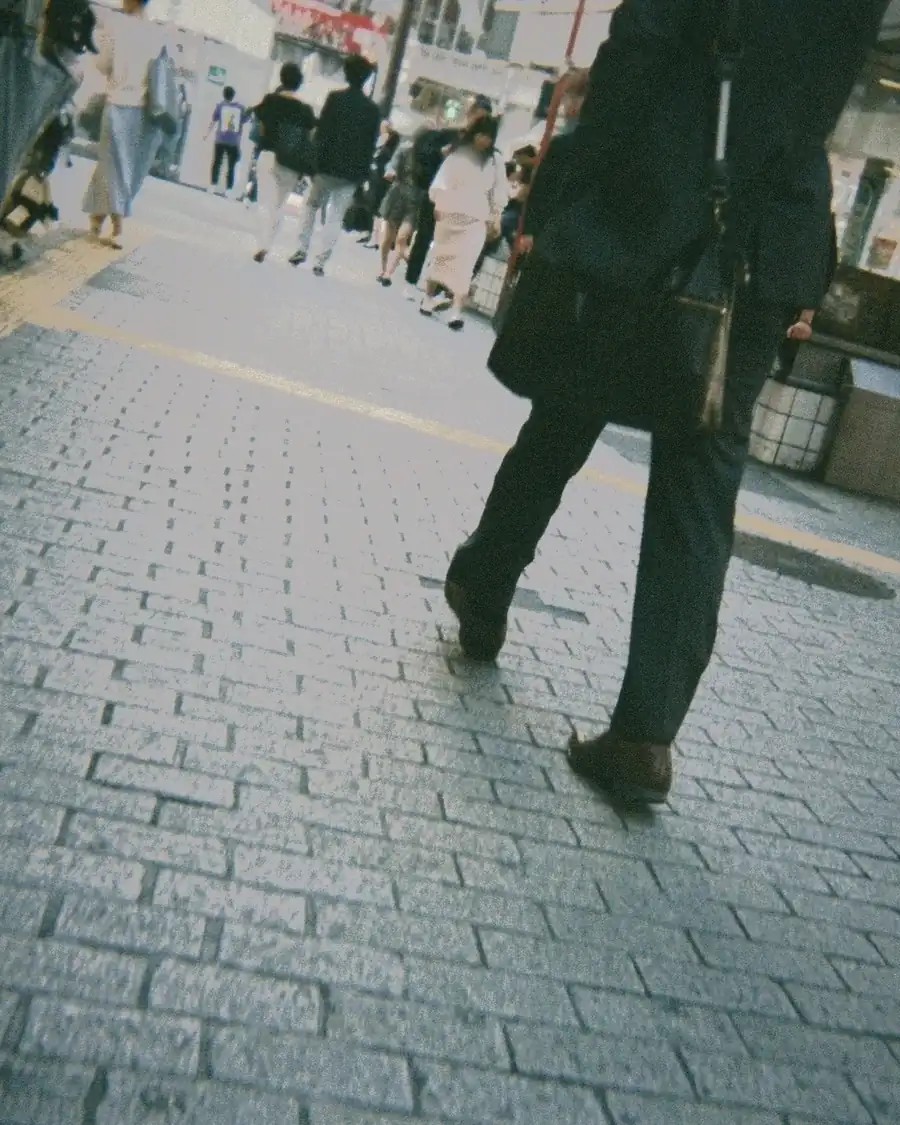
Is it rude to slurp noodles in Japan?
No. Slurping is normal at noodle shops, and nobody expects you to copy it.
JNTO, Japan’s national tourism office, says slurping is generally accepted at noodle shops, and that you don’t have to slurp yourself. Its table-manners guide adds that other eating noises are usually impolite. Noodles and miso soup are the exceptions. So: slurp your ramen if you like, and keep the rest of the meal quiet.
Is it rude not to finish your food?
It can be. Leaving food is frowned upon, and asking to take leftovers home is generally not accepted.
Portions can be bigger than they look on the menu. Order a little less, then add a dish. In a set meal, try a bit of everything. So: order in rounds, not all at once.
Is it rude to tip in Japan?
Tipping isn’t expected, and paying the bill with no tip is not rude at all.
JNTO says service charges are usually included and some staff will decline extra money. Leaving coins on the table can just mean someone runs after you to return them. Our tipping guide covers ryokan and private guides. So: pay the bill as shown, and say thank you.
Is it rude to eat while walking in Japan?
It isn’t against the law, but on crowded streets it’s seen as bad manners.
Kamakura has a manners ordinance for its busy tourist streets. It lists eating while walking in narrow or crowded places as a nuisance, because food can stain other people’s clothes. The city’s own Q&A says walking while eating is not a problem in itself, and the ordinance has no penalties. Many food stalls give you a spot to stand and eat. So: eat by the stall, then walk on.
What are the chopstick rules?
Two matter most. Don’t stand chopsticks upright in rice, and don’t pass food from your chopsticks to someone else’s.
- Upright in rice: it looks like an offering to the dead.
- Chopstick to chopstick: it echoes a funeral rite. Put the food on a small plate and let the other person take it.
- Rice bowl: lift it toward you while you eat. That’s polite, and it stops spills.
- Sushi: chopsticks or fingers are both fine. Dip the fish, not the rice, in soy sauce.
So: when you rest your chopsticks, lay them flat on the holder or across your plate.
Can you talk on the phone on trains in Japan?
No. Phone calls on trains are frowned upon at any volume. Quiet talking is fine.
Tokyo Metro asks riders to set phones to silent and not to talk on them. Near the priority seats, it asks you to switch phones off when the train is busy. Line up beside the doors, and let people off before you get on. Give priority seats to older people, pregnant women and anyone with a disability. So: text instead of calling, and wear a big backpack on your front.
Can you eat or drink on trains?
On city trains and the subway, eating and drinking are generally frowned upon. A sip of water is normal.
Tokyo’s official visitor site lists eating, drinking and phone calls as things people avoid on the subway. Long-distance trains like the Shinkansen have their own customs: see our Shinkansen tickets guide. So: save the onigiri for the platform bench or the bullet train.
When do you take your shoes off?
In homes, and in some restaurants, temples, ryokan and hot springs. If you see a step up and a row of shoes, take yours off.
The step is called a genkan. Slippers are often waiting just past it. Socks without holes help more than you’d think. So: wear shoes that slip on and off easily.
Do you have to bow in Japan?
No. As a visitor you’ll be bowed to far more than anyone expects you to bow. A small nod with “arigato” is plenty.
Handshakes, hugs and kisses are less common than in the US or Europe. Watch what the people around you do. So: a nod and a smile work almost everywhere.
Is it OK to take photos anywhere?
Mostly, but not of people without asking. In stations, no flash, tripods or selfie sticks.
Tokyo Metro’s rules ask visitors not to photograph other passengers, not to use flash or lighting, and not to use tripods, monopods or selfie sticks. Keep clear of stairs, escalators and ticket gates while you shoot. Temples and shops often post their own photo rules at the entrance. So: look for a no-photo sign before you raise the camera.
What should you say at a meal?
“Itadakimasu” before you eat, and “gochisosama desu” when you finish.
Many restaurants give you a wet towel, an oshibori, when you sit down. It’s for your hands, not your face. When someone pours you sake, hold up your glass. So: learn these two words, plus “sumimasen,” and you’re set.
What else do visitors ask about manners in Japan?
Short answers to the questions first-time visitors ask most.
Is it rude to use a fork in Japan?
No. If you’re not comfortable with chopsticks, ask the staff for other cutlery. Traditional restaurants may not have any, so it’s worth asking before you order.
Is it rude to take the last piece?
Ask first. JNTO suggests checking with the table before you take the last bite of a shared dish.
Should you start eating when your food arrives?
In a group, wait until everyone has their food. Then say “itadakimasu” and start.
Is it rude to leave money on the table?
It isn’t expected. Pay the bill as it is; staff may hand back extra money. Paying without a tip is not rude at all.
What is the most useful word to know?
“Sumimasen.” It works as “excuse me,” “sorry” and even “thank you,” and it gets a server’s attention politely.
More rules, one topic at a time: trash · smoking · drinking in public · onsen with tattoos · first time in Japan.
Sources
6 links · tap to open
Official pages, each checked on Nov 17–18, 2026. Prices, hours and rules change; confirm on the official page before you go.
- JNTO: Japanese Manners Do’s and Don’ts (checked Nov 17–18, 2026)
- JNTO: Table Manners in Japan (checked Nov 17–18, 2026)
- JNTO: Custom & Manners (checked Nov 17–18, 2026)
- Kamakura City: Q&A on the public manners ordinance (Japanese, PDF) (checked Nov 17–18, 2026)
- Tokyo Metro: Things to Consider When Riding the Subway (checked Nov 17–18, 2026)
- GO TOKYO (Tokyo Convention & Visitors Bureau): Subways (checked Nov 17–18, 2026)