Irasshaimase: what it means, and why you don’t have to answer
Irasshaimase means “welcome, come in.” Staff say it to every customer, and you don’t have to answer: Japan’s tourism office says a nod or a smile is enough. Save your words for “sumimasen,” “arigato” and “gochisosama deshita.”
At a glance
- Meaning: “welcome, come in,” said to every customer.
- Your reply: none needed. A nod or a smile is plenty.
- Why so loud: it’s a greeting for the whole room, and staff often echo it.
- When you leave a restaurant: “gochisosama deshita.”
- To call staff: “sumimasen.”
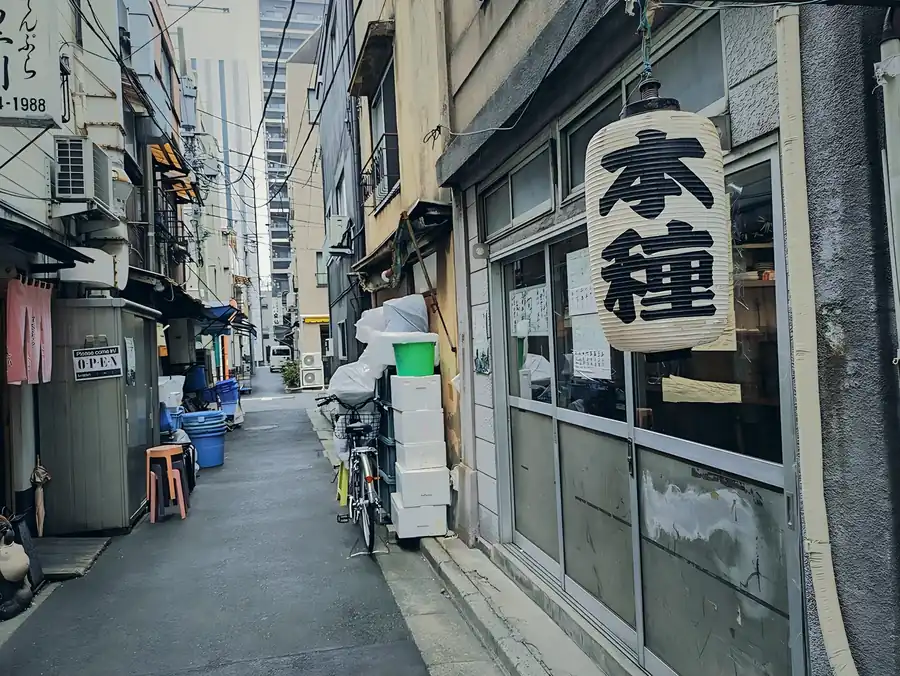
What does irasshaimase mean?
It means “welcome, come in.” Staff say it to every customer who walks into a shop, restaurant or bar.
It’s a very polite form of a verb meaning “to come,” used for guests. You’ll hear it in convenience stores, department stores, ramen shops and izakaya, often from several people at once. So: when you hear it, you’ve been noticed, and that’s all.
Do you have to answer irasshaimase?
No. Japan’s national tourism office says a polite nod or smile is all you need to offer.
JNTO puts it plainly: there is no cultural expectation that the welcome will be returned. Most Japanese customers walk in without a word. Saying “irasshaimase” back would sound odd, because it’s what the host says. So: nod, smile, and find a seat.
Why does everyone shout it?
It’s a greeting for the whole room. One person calls it out, and others repeat it so everyone knows a new guest has arrived.
In a busy izakaya, it’s part of the noise and energy of the place. In a quiet shop, it may be a soft word from the counter. JNTO links it to omotenashi, the idea of looking after guests wholeheartedly. So: don’t read it as a sales pitch.
What else will staff say to you?
A few short questions, usually the same ones. You can answer most of them with a gesture.
| You hear | It means | An easy reply |
|---|---|---|
| Irasshaimase | Welcome, come in | Nothing, or a nod |
| Nanmei-sama desu ka? | How many people? | Hold up fingers |
| Omochikaeri desu ka? | Is it to take away? | “Hai” for yes, or point to a seat |
| Fukuro wa irimasu ka? | Do you need a bag? | “Daijobu desu” for no thanks |
| Pointo kaado wa? | Do you have a points card? | Shake your head, or “nai desu” |
| Arigato gozaimashita | Thank you for coming | A nod, or “arigato” |
In a convenience store, the clerk may ask about a bag or a points card. A shake of the head works for both. Our convenience store guide covers paying, hot food and what each chain sells. So: learn “daijobu desu” for “no thanks,” and you’re covered.
What should you say, then?
“Sumimasen” to get attention, “arigato” to say thanks, and “gochisosama deshita” when you leave after a meal.
JNTO notes that “sumimasen” can mean “sorry,” “excuse me” or even “thank you,” and that “arigato gozaimasu” is the more direct thanks. Before eating, people say “itadakimasu,” and “gochisosama” after. A small bow works as a greeting almost anywhere. So: three words carry you through a whole meal.
What else do visitors ask about irasshaimase?
Short answers to the questions first-time visitors ask most.
Do I have to say irasshaimase back?
No. It’s the staff’s greeting, not a question. A nod or a smile is enough.
Is it rude to ignore irasshaimase?
No. Most Japanese customers walk in without answering. Nobody expects a reply.
What does irasshai mean?
It’s the shorter, more casual form of the same welcome. You’ll hear it at markets and small food stalls.
What do you say when you leave a restaurant?
“Gochisosama deshita,” which thanks them for the meal. In a shop, a simple “arigato” works.
How do I call the staff over?
Say “sumimasen,” which works as “excuse me.” Many restaurants also have a call button on the table.
Sources
3 links · tap to open
Official pages, each checked on Nov 18, 2026. Hours, routes and rules change; confirm on the official page before you go.
- JNTO: Omotenashi, the Japanese art of hospitality (checked Nov 18, 2026)
- JNTO: Japanese Manners Do’s and Don’ts (checked Nov 18, 2026)
- JNTO: Frequently Asked Questions (updated March 3, 2026) (checked Nov 18, 2026)