Food
Eating vegetarian or halal in Japan
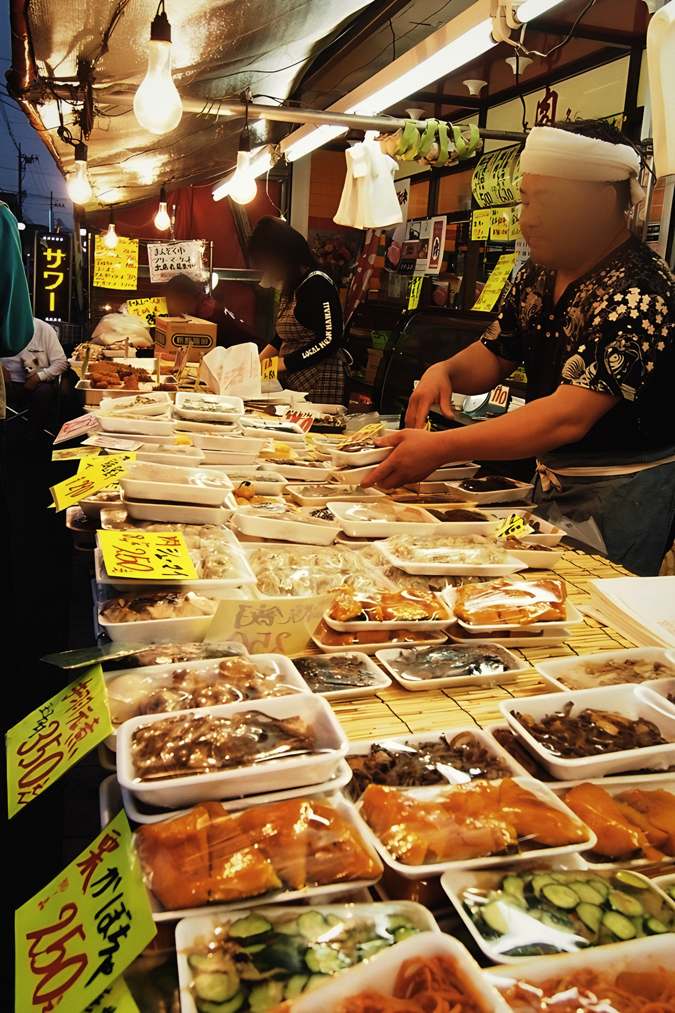
It's doable, but plain-looking food often isn't what it seems. Ask about the stock and the sauces every time.
What to know
- Dashi, the stock behind miso soup, noodle broths and many sauces, often contains bonito (fish). "No meat" doesn't always mean no fish, so say chicken, pork and fish explicitly.
- Natto usually comes with a sauce packet made from dashi.
- Be specific about what you can't eat, and carry a printed card in Japanese. Tell restaurants when you book, especially for set menus.
- Shojin ryori, Buddhist temple cuisine, is traditionally plant-based and found mostly at temples and temple lodgings. Dairy can appear, so ask.
- Directories: HappyCow, Vegewel, Japan VegeMap.
- Halal: Cooking sake and mirin are used in many dishes, and some miso contains alcohol unless it's additive-free (mutenka). Gelatin and animal fats turn up in breads and sweets.
- Japan has no central halal certification body, and halal-friendly restaurants may not have separate kitchens. Ask how they prepare the food.
- Prayer rooms and mosques are mostly in larger cities, along with a growing number at major airports and tourist sites.
- JNTO publishes a vegetarian guide and a Muslim travelers guide, including the Japan Welcome Guide for Muslim Travelers. Halal Gourmet Japan lists restaurants.
psst, the convenience store shelf is not a safe bet. Read the label, or get staff to read it for you.